
.svg)

.svg)
Partnership for road industry leaders – we will increase the service life of roads by 3-4 times and reduce repair costs
Veleton provides effective, proven polymer technologies with full on-site technical support, helping government agencies extend road pavement life, reduce maintenance cycles and improve the long-term economic efficiency of infrastructure.
We invite a respected national leader with strong government authority in the road sector to join us as a strategic partner.
Veleton provides effective, proven polymer technologies with full on-site technical support, helping government agencies extend road pavement life, reduce maintenance cycles and improve the long-term economic efficiency of infrastructure.
We invite a respected national leader with strong government authority in the road sector to join us as a strategic partner.



Learn more about Veleton and the role of a strategic partner – choose one of the routes:

Here are the facts: figures, completed projects and case studies that demonstrate how Veleton technologies work in practice.
Here, we discuss the role of a strategic partner: influence, format of participation, areas of responsibility, and how to work with the Veleton team.
Here, we examine how implementation proceeds through the system: the participants in the process, industry barriers, and how controlled, systematic implementation is ensured.
Results and evidence
If you would prefer to see practical examples first, start here. Here is a brief overview: facts, completed projects, and one case study in detail.
Technology stability in key metrics
A few figures that demonstrate reproducibility and quality control in practice.
The effectiveness of Veleton has been proven in practice.
Our technologies operate in real-world conditions and are used on roads that connect people, cities and countries.
Years of experience in polymer solutions for the road industry.
Days spent on construction sites each year — our engineers work alongside the customer at our expense.


Road projects in five countries — from urban thoroughfares to international motorways.
.avif)
Asphalt concrete plants operate using our technologies.

tonnes of polymers produced and used.
Test and inspection reports successfully passed in state laboratories.
Completed projects
Below are some of our projects that clearly demonstrate how this works on the road.
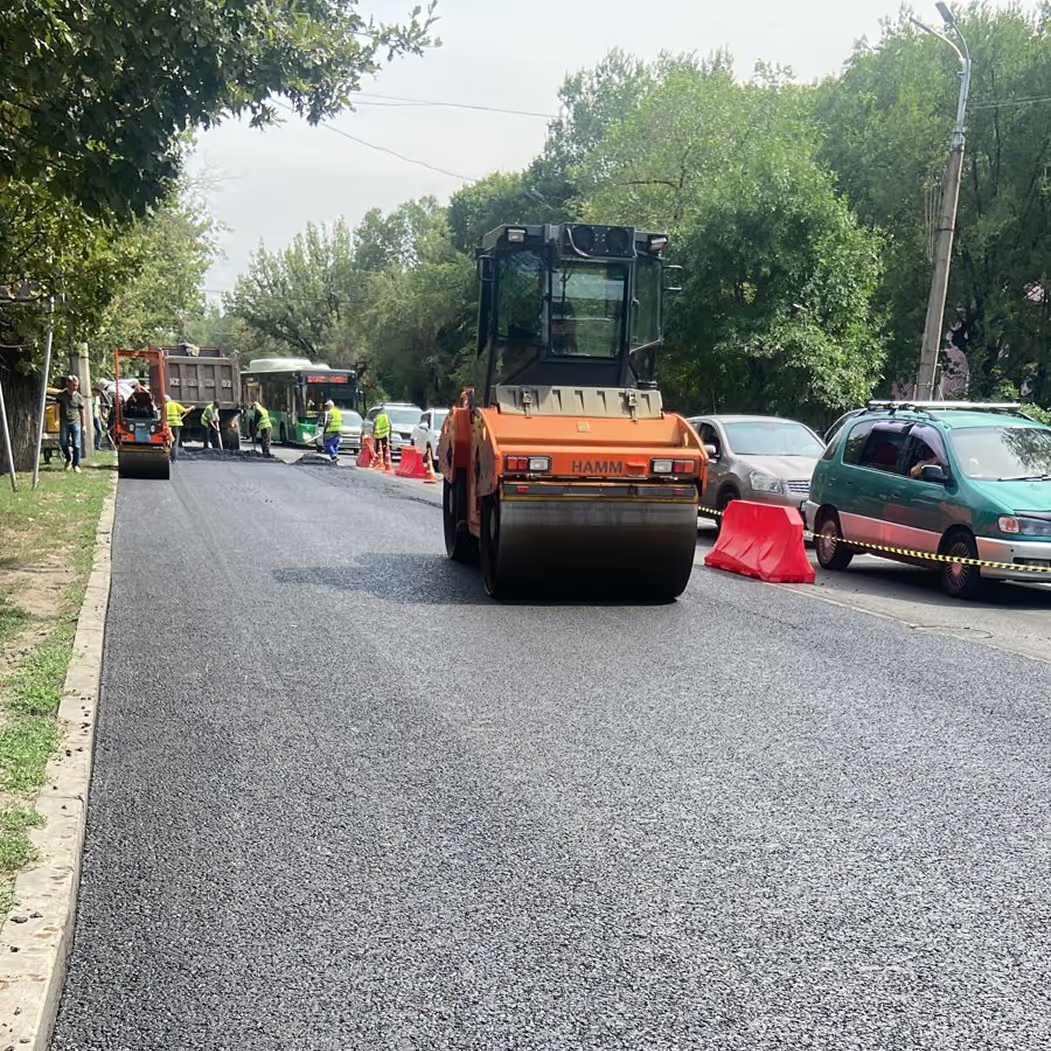
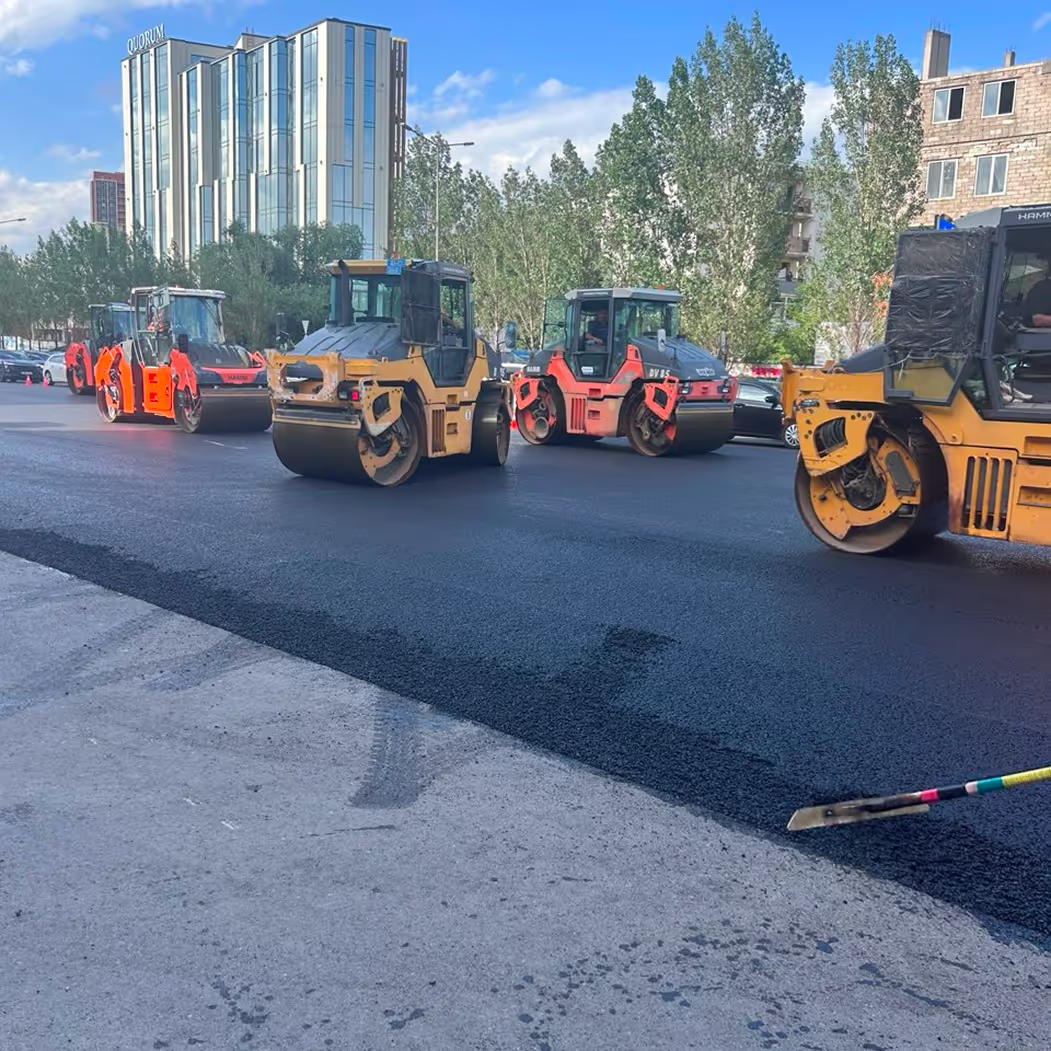
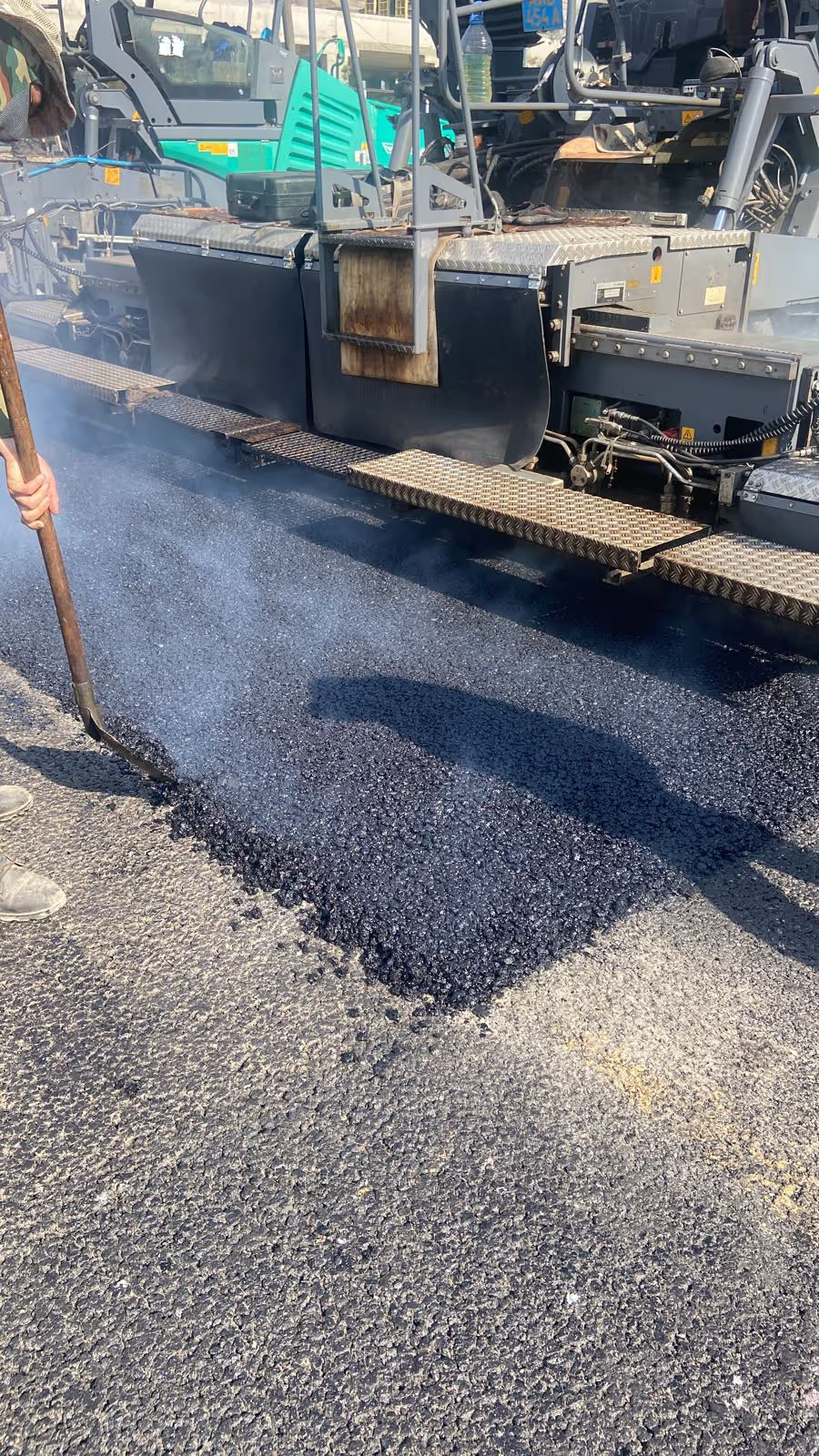
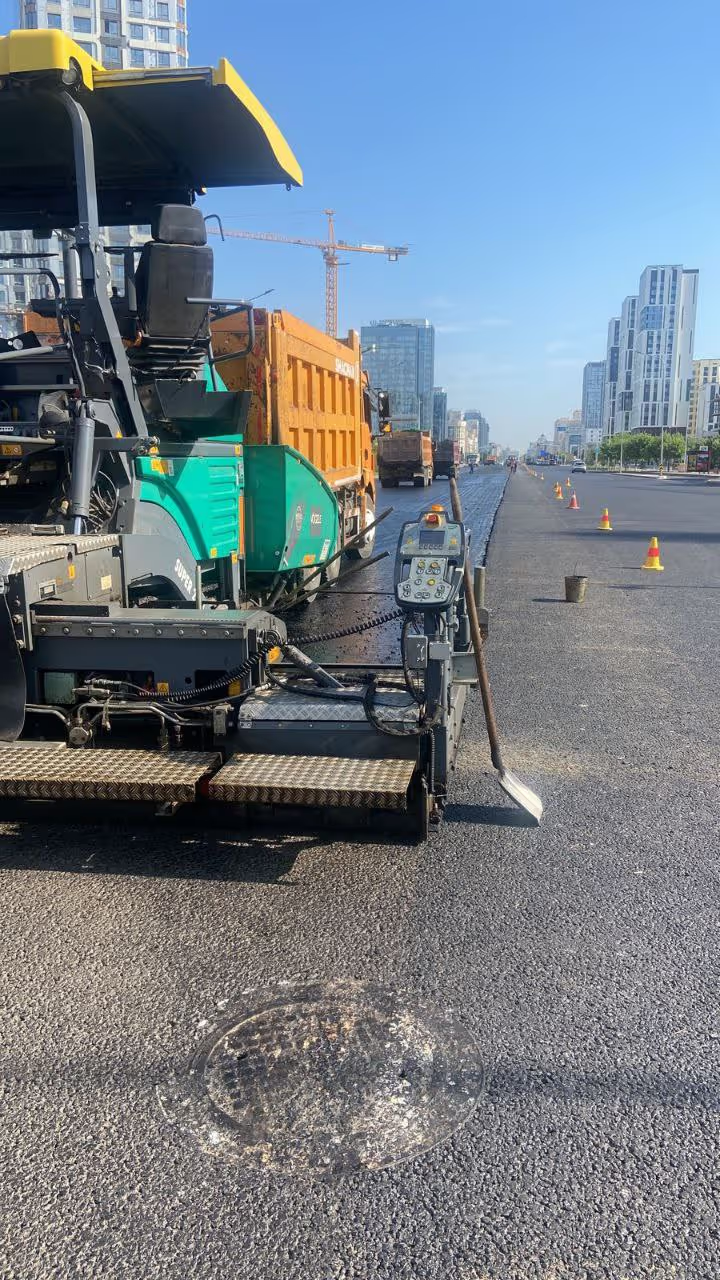
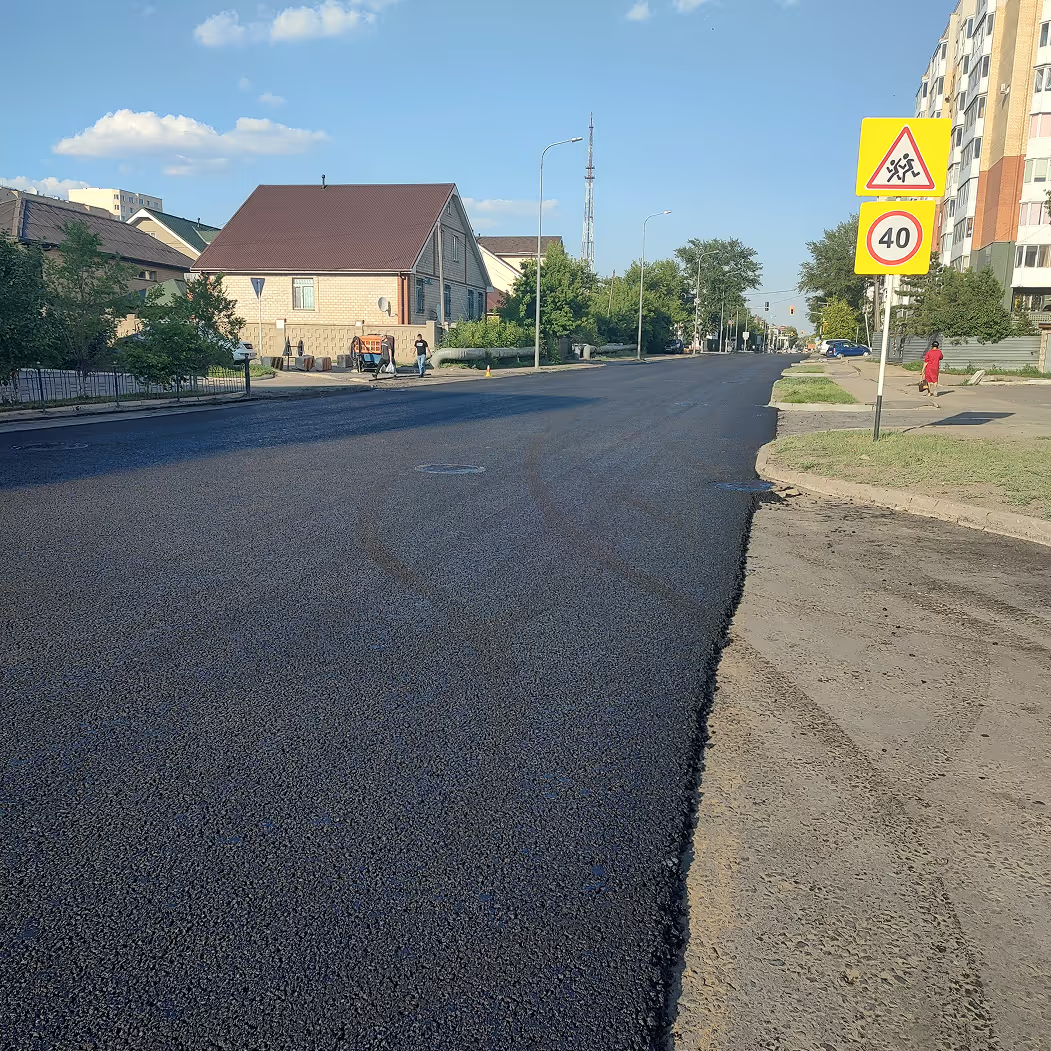

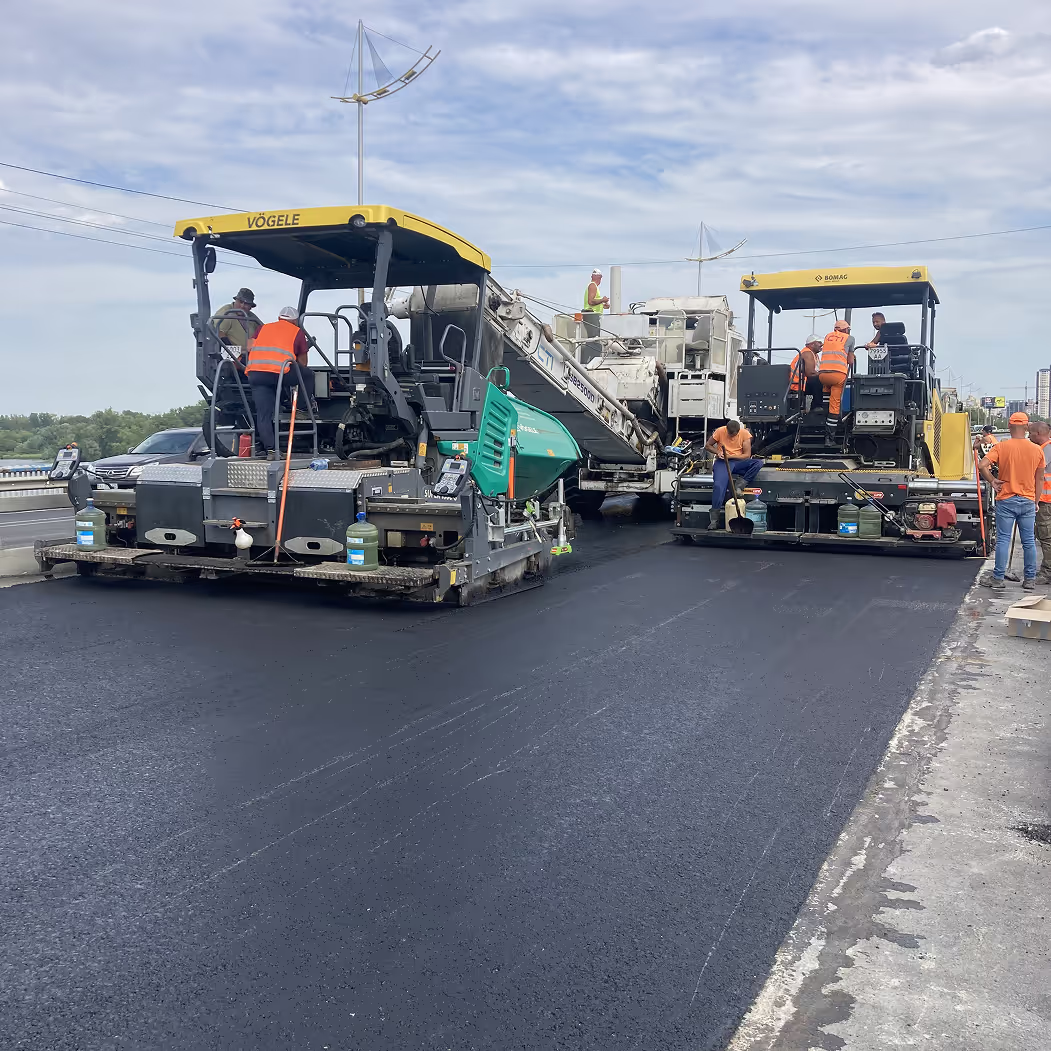
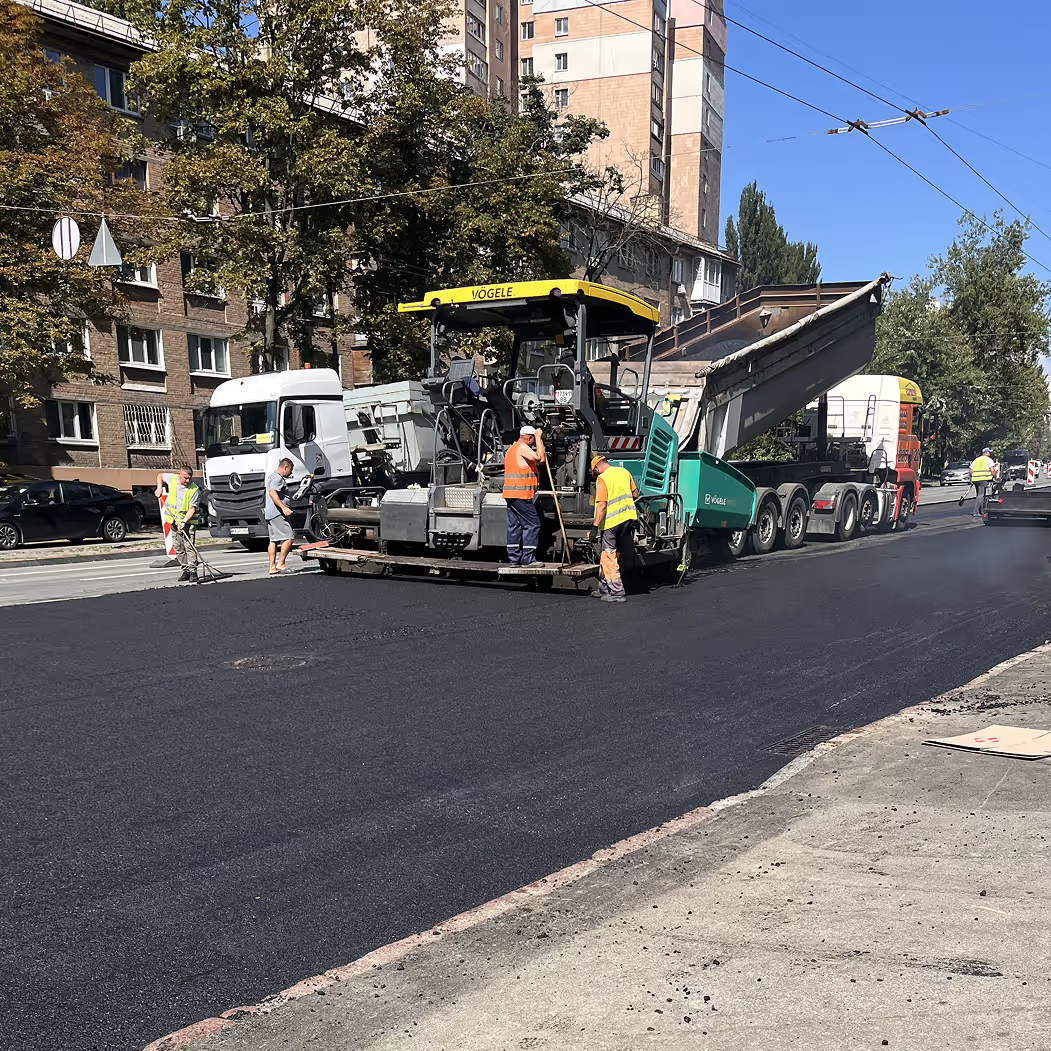
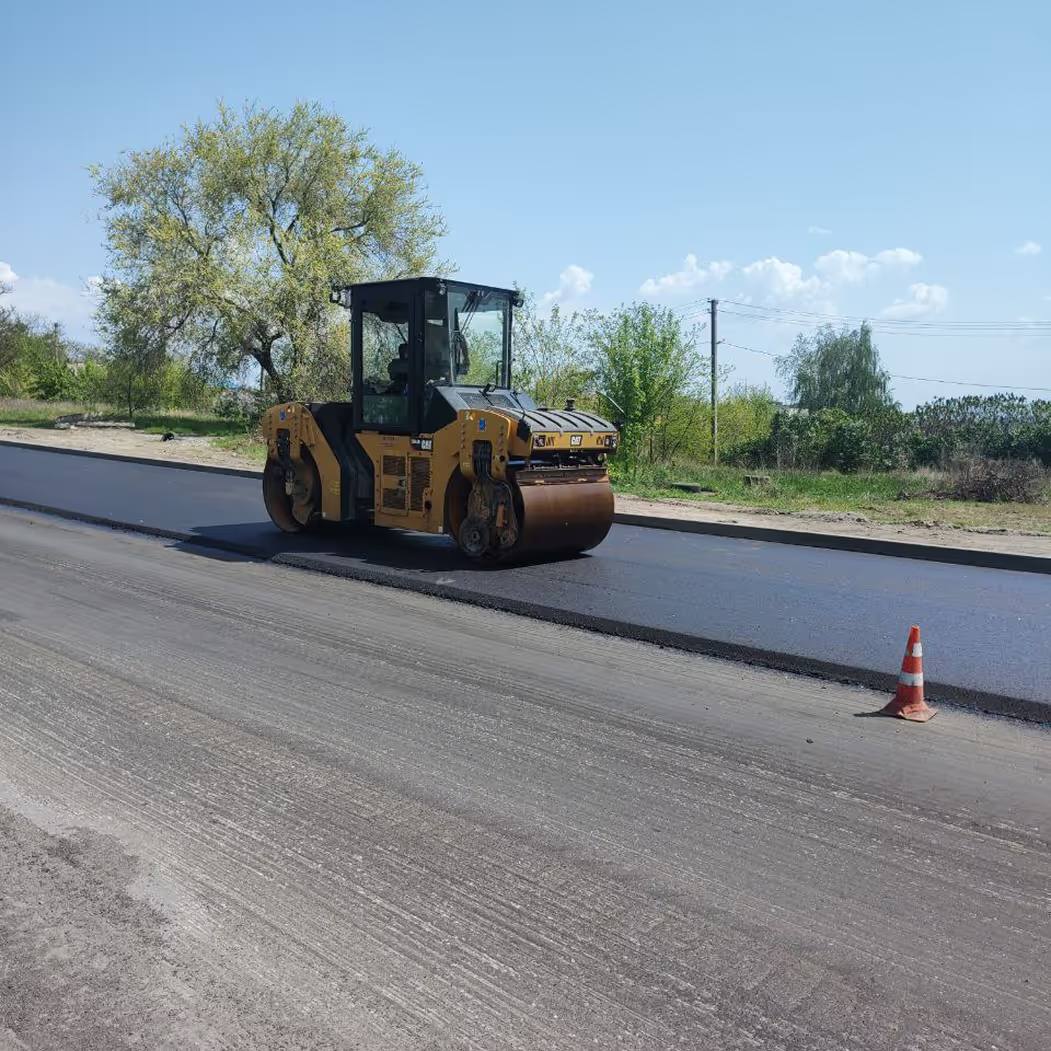
Next, we will briefly discuss why such results are possible at the national level and where the strategic partner plays a key role.
Why it works
Next, we will briefly discuss why such results are possible at the national level and where the key role of a strategic partner lies.


What does this give the state?
This is about the effectiveness of road programmes over the long term.


Role of partner in country-level launch
In the road industry, decisions of this magnitude almost always depend on trust, reputation and proper coordination.
- The partner helps to establish dialogue at the state level and supports it with its authority.
- Provides access to key decision-makers and helps to make discussions more focused
- Helps coordinate implementation so that it becomes systematic - involving factories, contractors, supervisors, regulators and road authorities
- The Partner establishes and maintains working relationships with ministries, government agencies, national road authorities, and major road construction companies
- Helps more accurately identify the real needs of the industry, ensuring that implementation addresses national priorities rather than appearing as “just another technology
- Together with the Veleton team, defines strategic points of influence — key people, processes, sectors, and regions where the impact will be greatest
- Leads high-level negotiations and, when necessary, involves the Founder and Veleton’s leadership in decisive meetings
- Helps transform agreements into sustainable long-term cooperation framework
Role and influence
This role is for respected leaders in the road construction industry who know how decisions are made in the field, have authority and influence, and can promote the implementation of proven technologies at the system level.
Purpose of the partnership
In the road industry, the introduction of technologies always requires approval at the state level.
Decisions of this type require trust on the part of the relevant authorities, an understanding of regulatory procedures, and coordinated work by all participants in the process.
A strategic partner helps to build this path and keep it within manageable limits – from the initial dialogue to a sustainable implementation format.
.avif)

The main result of the role
Introduction of Veleton technologies in the country through pilot projects and further scaling up due to their practical value for the road sector.
Levels of partner influence
State level
Supporting and promoting solutions that require trust at the level of ministries, agencies, and national road authorities.

Industry participants
Building cooperation between key stakeholders – asphalt concrete plants, contractors, supervisors, regulators and infrastructure authorities – to ensure that implementation is systematic rather than fragmented.
.avif)
Implementation at facilities
The technical side is handled by the Veleton team, who provide full and ongoing technical support on site: being present at factories and sites, training staff, setting up processes, and quality control.
Practical tasks of the partner
Veleton provides not only the material, but also the technology that can be reproduced and controlled at each facility.
Strategy and plan
Formulates and implements Veleton's market entry strategy for the country. Plans key stages and deadlines, and is responsible for achieving agreed results.
Market analytics
Systematically collects, analyses and updates information about the market, participants, regulatory environment and standards. For road construction and repair projects - on a weekly basis. Based on the information obtained, participates in strategic, managerial and commercial decision-making.
Certification and approval
Ensures the necessary certification of the company's products for permanent admission to the country's market. Priority is given to test results, protocols and certificates from other countries. Additional tests or pilots are only carried out when objectively necessary.
Relationships and negotiations
Builds and maintains long-term relationships with key public and private market participants: government agencies, regulators and supervisory bodies, research institutes, contractors and customers. Initiates and conducts key negotiations.
Implementation and projects
Initiates and coordinates the implementation of the company's products and technologies in road construction projects, including integration into practice, national standards and regulatory documentation. Ensures the launch of the first commercial project in the country in the shortest possible time.
Contracts, payments, deliveries
Organises the signing and ensures the execution of contracts. Responsible for financial results, including timely receipt of payments. Coordinates operational processes in the country: logistics, customs and warehousing, supply planning and control, interaction with regulatory and supervisory authorities. If available, coordinates the local legal entity/division and work with the Veleton team.
What is Veleton responsible for in projects?
To enable partners to focus on the market, negotiations and implementation, Veleton handles the operational, technical and commercial aspects of the collaboration.
Operational and organisational support
- financial and accounting
- logistics (international and domestic)
- warehousing and inventory management
- technological issues and full technological support at the facility
Product delivery and availability
- Supplying stable, high-quality products in volumes sufficient to meet demand
- Establishing and maintaining local warehouses for constant availability and distribution
- Joint planning of production, deliveries and warehouse stocks to avoid shortages or excess inventory
Technical and expert support
- methodological and expert support for technical specialists (on-site and remotely)
- training and consulting support for partner personnel, as well as key customers and contractors on product application and compliance with technological regulations
Information and materials for work
- commercial, technical and marketing information
- product descriptions, technical specifications, instructions for use
- results of laboratory and field tests
Commercial offers and contractual documents
- development and provision of commercial proposals
- contract templates taking into account the specifics of the country's market and legal requirements
Quality and market feedback
- compliance of products with declared characteristics and standards
- prompt response to justified complaints and technical questions
Expenses, strategy, confidentiality
- covering representative and other significant expenses, as well as operating expenses as the business grows, within the limits of actual income received
- participating in the formation and adjustment of market development strategies, including priority segments, projects and target customers
- confidentiality of information and protection of commercial, technological and other protected interests of the partner within the area of responsibility
- timely and conscientious fulfilment of financial obligations to the partner
How the Veleton team works

Market context
Market entry and scaling are often accompanied by industry conservatism, active competition, and challenges related to the quality of implementation among market participants.
Therefore, strong negotiation skills, a deep understanding of the road construction industry, and the ability to find practical solutions that take into account the specifics of a particular market are important in this role.

Why this role will be interesting to someone with a distinguished career
This is a partnership with a national scope and a long-term perspective. The results are visible not only within the industry.


National mission and economic impact
Polymer technologies and ongoing technical support make it possible to increase the service life of the coating by 3-4 times and free up budget that can be directed towards new roads and other infrastructure programmes.
- Greater safety and fewer accidents
- Faster and more reliable logistics
- Stronger development of regions, tourism and small businesses
- Growth in economic activity and tax revenues
Strategic value of the role
The role lies at the intersection of government policy, industry development and technology.
This involves participating in discussions and decisions that determine how the country will build and maintain roads over many years to come.
Influence and recognition
The road network is one of the most visible areas for citizens.
When the result is stable and visible, it strengthens trust in institutions and industry leaders, and the partner is associated with concrete, measurable changes.
Long-term cooperation with a strong team
Veleton is building a long-term business model, not a seasonal initiative or a short-term pilot project.
A team of scientists, technologists and engineers is constantly present at factories and sites, supporting implementation from the first facilities to scaling up, based on practical cases and test protocols.
Strategic partner profile - in PDF
The PDF contains a brief profile of the role: expectations, areas of responsibility, and format of cooperation. It is convenient to check whether this role is suitable for you.
Implementation mechanics
This route explains the process of implementing Veleton technologies in the country: which participants should work within the same logic, what is controlled in practice, and where a strategic partner accelerates decision-making.
Why implementation requires a system
Several factors are simultaneously putting pressure on roads: declining bitumen quality, climatic stresses, and increased traffic and axle loads. At the same time, maintenance costs are rising, and the deterioration of the road network is beginning to affect the economy through logistics, transport speeds, and safety.
Therefore, only the correct operation of the entire chain—from requirements and control to mixture production and laying—will produce the desired effect.
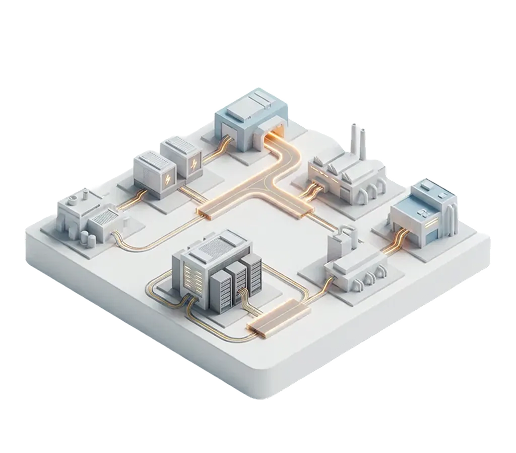
Participants in the process


.png)
.png)
.png)
Full technical support for projects

Georgia, Heroes Square and the streets leading to it. Use of PKM Veleton™ additive for asphalt concrete.
- Selection and adjustment of recipes and mixing modes
- Control of temperature conditions during production, transport and installation
- Implementation of technological instructions
- Training factory personnel and contractors to ensure consistent quality
- Supporting the first projects and consolidating practices
- Setting up technological discipline on the contractor's side
- Preparing the foundation for expansion into new projects
The role of a partner in product implementation
Engineering provides technology and discipline at the site. The partner provides coordination at the system level.
- Builds dialogue at the state level
- Helps bring together participants in the process into a single framework
- Supports implementation as a sustainable practice rather than as individual projects
Expected outcome of cooperation
Engineering provides technology and discipline at the site. The partner provides coordination at the system level.
- Uniform logic of requirements and control for all participants
- Consistent quality from site to site
- Scaling without loss of control
- Increase in coating service life by 3-4 times and reduction in repair costs
If you want to take a closer look at the role of a partner, switch to the Role and Influence route.
If it is more important to understand how implementation proceeds through the system - Implementation Mechanics route
Download the strategic partner brochure
We have prepared a concise brochure for potential strategic partners. It brings together the key facts about Veleton technology, the role of a partner, implementation mechanics, proven results, and the long-term value for public infrastructure.
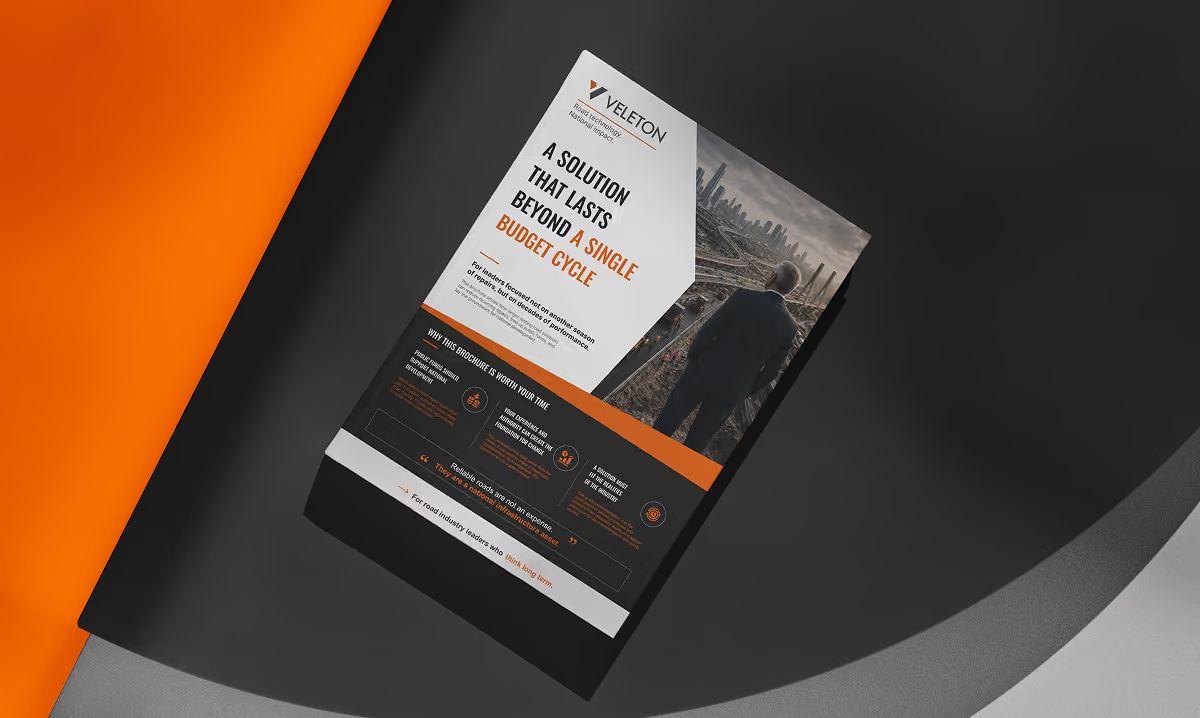
Download brochure PDF
Financial model: revenue-sharing partnership
The format of cooperation between the strategic partner and Veleton is a partnership where remuneration depends directly on results.
- Partner model is focused on long-term collaboration, where compensation is aligned with the scale of implemented projects and the partner’s strategic contribution to market development. Details of the financial model are disclosed during direct communication.







FAQs
It’s a partnership, not employment - it’s a long-term, independent role focused on achieving shared results in the country, working closely with the Veleton team.
You will work with key decision-makers in the road industry: identifying opportunities for cooperation, conducting key negotiations, launching initial projects and expanding the application of Veleton solutions in the country.
A strategic partner should be a respected figure in the industry whose professional reputation allows them to open the right doors, interact with national stakeholders, and help align the implementation of new technologies with existing standards and procedures.
In practice, this means:
• A strategic partner should be a respected figure in the industry whose professional reputation allows them to open the right doors, interact with national stakeholders, and help align the introduction of new technologies with existing standards and procedures.
• Understanding how technical approvals work in the country.
• Knowing which agencies or departments need to be informed or consulted.
• Being able to facilitate communication with relevant authorities, asphalt plants, and major road companies.
• Helping the market understand the technology through expertise and authority.
• The role is strategic in nature, based on experience, authority and the ability to guide processes in the road industry.
The role is strategic in nature. It is based on experience, authority and the ability to guide processes in the road industry.
30% of your time: meetings, strategic planning, participation in sessions with the Veleton team, and involvement in key initiatives.
A leader in the road industry with over 15 years of experience, much of which has been in the public road sector, with high authority and access to individuals shaping the development of the national road network.
Yes, if you can reliably devote about 30% of your time to this project and participate in commercial initiatives.
No. Experience in road construction, understanding of the industry structure and established connections with key decision-makers are important. The technical side is provided by the Veleton team.
Short application → one or more online interviews with the team (including the founder) → for finalists — a face-to-face meeting with a Veleton representative in your country → signing of the contract.
Candidate details are not published. Information is only shared within the responsible team and, if necessary, after signing an NDA.